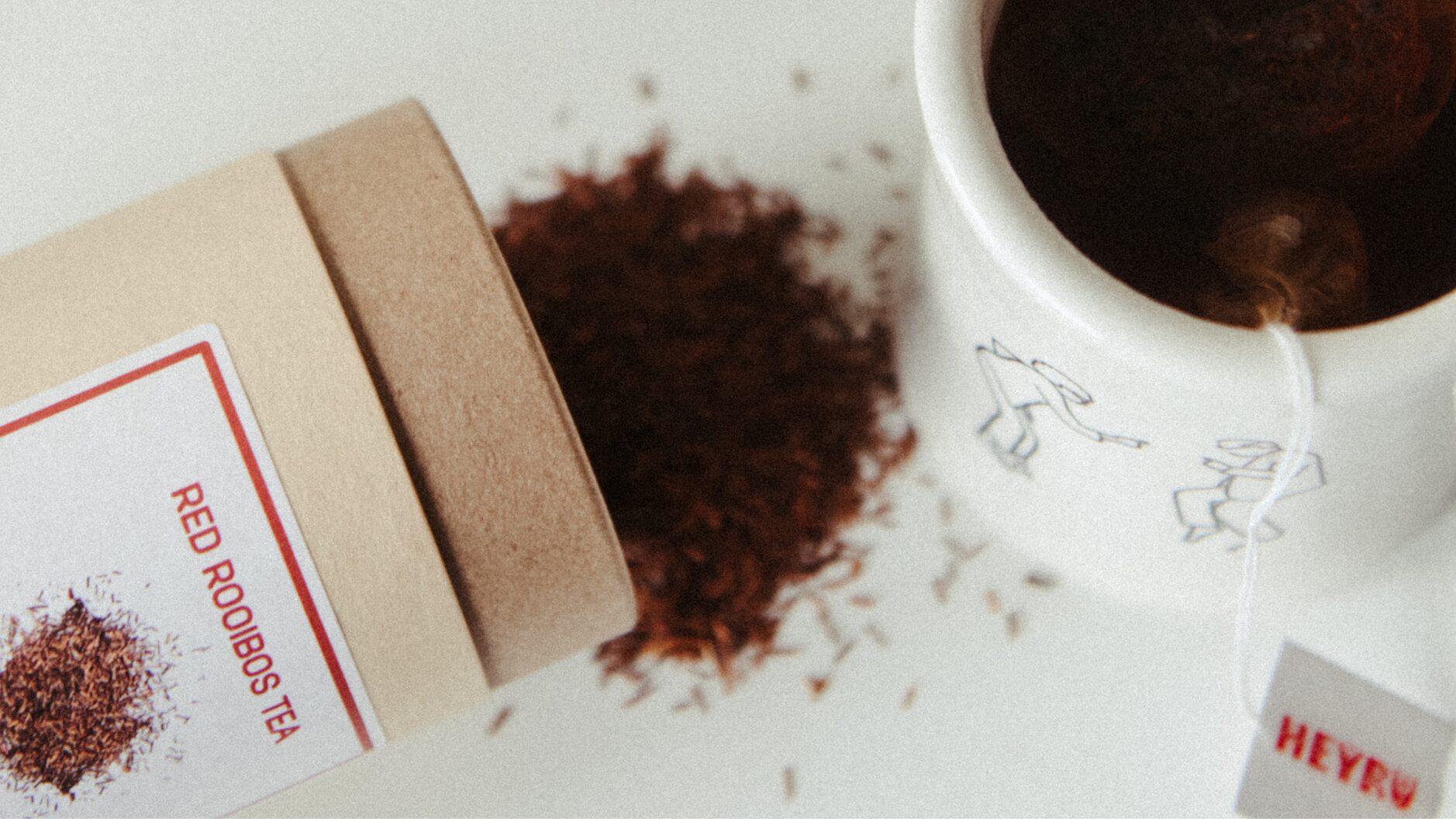
Red Rooibos tea, commonly known as “red bush” tea, is a popular herbal infusion celebrated for its smooth, earthy flavor and impressive health benefits. Native to the Cederberg region of South Africa, Red Rooibos tea is naturally caffeine-free, making it a soothing choice for any time of day. Its growing global popularity comes from both its rich taste and its potential wellness-supporting properties.
In this blog post, we’ll explore the origins of Red Rooibos tea, discuss its key health benefits, and share easy, delicious recipes to help you incorporate this nourishing herbal tea into your daily routine.
Origins of Red Rooibos Tea
Red Rooibos tea originates from the rugged Cederberg mountains in South Africa’s Western Cape province. For centuries, the indigenous Khoisan people harvested and used rooibos for its natural medicinal properties and unique, earthy flavor. Traditionally prepared as a herbal infusion, rooibos was valued for its calming and restorative qualities.
In the early 20th century, Red Rooibos tea began to gain commercial recognition, eventually expanding beyond South Africa to become a widely enjoyed herbal tea around the world. Today, it is a staple in many households, cherished for its rich taste, cultural heritage, and health-supporting benefits.
Benefits of Red Rooibos Tea
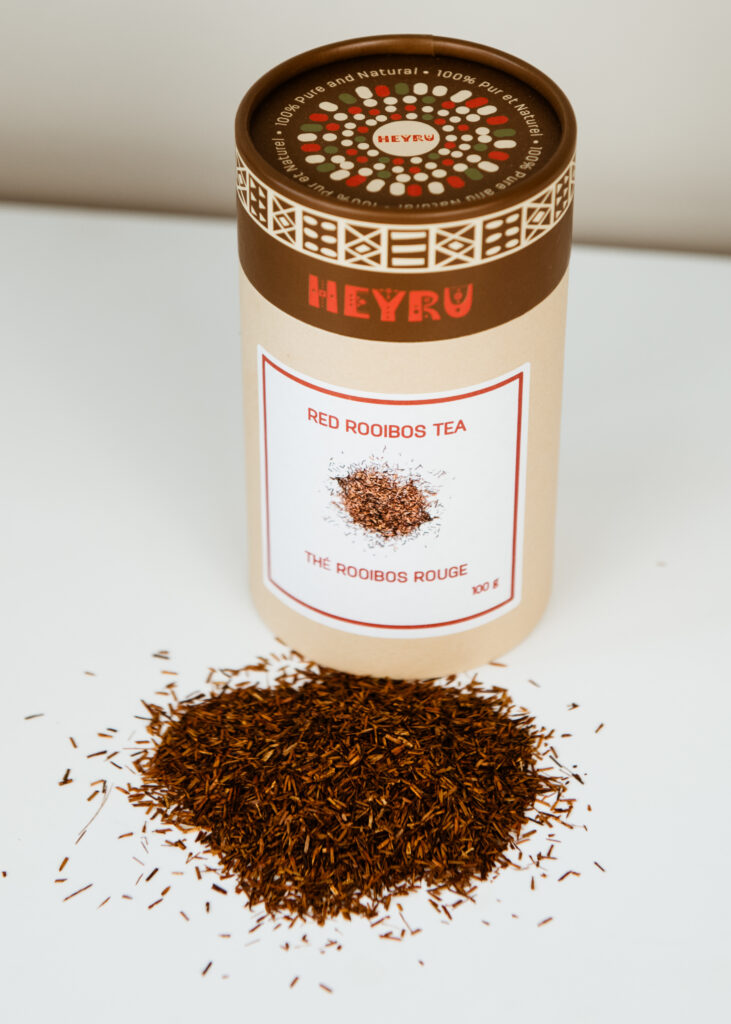
- Rich in Antioxidants: Red Rooibos tea is loaded with powerful antioxidants, such as aspalathin and nothofagin, which help combat oxidative stress and protect cells from damage.
- Caffeine-Free: Unlike traditional teas, Red Rooibos is completely caffeine-free, making it an excellent choice for those seeking a soothing beverage without the stimulating effects of caffeine.
- Supports Digestive Health: It contains compounds like quercetin and alpha hydroxy acid that promote digestion and may alleviate common digestive issues.
- Boosts Heart Health: Regular consumption of Red Rooibos tea has been associated with a reduction in blood pressure levels, helping to support cardiovascular health.
- May Improve Skin Conditions: The antioxidants in Rooibos tea may contribute to a healthy complexion, reducing inflammation and promoting skin cell rejuvenation.
- Balances Blood Sugar Levels: Some studies suggest that Rooibos tea may help regulate blood sugar levels, making it a potential aid for individuals with diabetes.
Delicious Red Rooibos Recipes
Vanilla Rooibos Latte:
Ingredients:
1 cup hot water
1/4 cup steamed milk (dairy or plant-based)
1 teaspoon vanilla extract
Heyru Monk Fruit Sweetener or Honey
Instructions:
Steep the Rooibos tea bag in hot water for 5 minutes. Remove the tea bag and add vanilla extract and sweetener if desired. Froth the steamed milk and pour it over the tea. Stir gently and enjoy!
Rooibos Berry Smoothie:
Ingredients:
1 Red Rooibos tea bag
1/2 cup hot water
1/2 cup mixed berries (fresh or frozen)
1 banana
1/2 cup yogurt (dairy or plant-based)
1 tablespoon honey (optional)
Instructions:
Steep the Rooibos tea bag in hot water for 5 minutes and let it cool. Blend the brewed tea, mixed berries, banana, yogurt, and honey until smooth. Pour into a glass and garnish with extra berries.

Conclusion
Red Rooibos tea is not only a delightful and flavourful beverage but also provides an abundance of health benefits. With its origins rooted in South Africa, this herbal infusion has found a special place in the hearts of tea enthusiasts worldwide. By incorporating Red Rooibos tea into your daily routine and experimenting with creative recipes, you can savor both its unique taste and the potential wellness advantages it offers. So, brew a cup, relax, and enjoy the goodness of Red Rooibos!
References
- MediLexicon International. (n.d.). Rooibos tea: Benefits, nutrition, and how to drink it. Medical News Today. https://www.medicalnewstoday.com/articles/323637
- Torrens, K. (2023, August 25). Top 5 health benefits of rooibos tea. BBC Good Food. https://www.bbcgoodfood.com/howto/guide/health-benefits-of-rooibos-tea
- Piek, H., Venter, I., Rautenbach, F., & Marnewick, J. L. (2019, February 21). Rooibos herbal tea: An optimal cup and its consumers – PMC. National Library of Medicine. https://www.ncbi.nlm.nih.gov/pmc/articles/PMC6917459/